Our Blog

Fun Facts for the Fourth

July 1st, 2015

The Fourth of July is a great time to get together with friends and family members for BBQ, games, fireworks, and other celebrations in honor of our country’s independence. While your fellow revelers eat hot dogs and wave flags, you can impress them by sharing these fascinating facts and historical tidbits about some of our country’s traditions and symbols from the team at Convivial Dental.

The Statue of Liberty

With a torch in one hand and a tablet in the other, the Statue of Liberty is one of the most iconic and recognizable symbols of our country. However, as recognizable as certain parts of the statue are, not many people know that broken shackles, which represent oppression and tyranny, are lying at Lady Liberty’s feet. According to the Statue of Liberty-Ellis Island Foundation, the copper-plated lady weighs in at a whopping 450,000 tons and has been holding her torch up for more than 125 years, which must make for some impressive arm muscles.

Nathan’s Hot Dog Eating Contest

Since 1916, people have been flocking to Coney Island on the Fourth of July to witness what some people call the “superbowl of competitive eating.” Nathan’s Hot Dog Eating contest challenges competitors to devour as many hot dogs as they can in just ten minutes, with the current record holder swallowing a whopping 68 hot dogs! If you’d like to witness this bizarre and frenzied eating competition but you won’t be anywhere near Coney Island on the fourth, don’t worry. ESPN has been broadcasting this popular event for several years, so you can watch from the comfort of your couch while you eat a reasonably portioned meal.

The History Behind Fireworks

Viewing the nighttime fireworks display is exciting way to finish off the fourth. Many people know that these brilliant displays probably originated with the Chinese. However, many historians also believe that fireworks were stumbled upon when the Chinese roasted bamboo sticks over fires and watched them explode. After many years of roasting the sticks, a group of alchemists created an early form of gunpowder, which they stuffed into the bamboo sticks to create an even more powerful explosion, paving the way for the today’s modern fireworks.

Whether you’re planning on visiting the Statue of Liberty, watching fireworks in Chestnut Hill, Massachusetts, or even participating in a hot dog eating contest, Drs. Cartsos and Zavras and our team hope you have a safe and fun-filled holiday. Happy Fourth of July!

Tooth Eruption Timeline

June 24th, 2015

Parents, and even older children, can become concerned about tooth development. Wondering when teeth should erupt, and being concerned when the teeth do not appear on schedule, is common. First, you need to remember that each individual is different. Guidelines are just guidelines, but Drs. Cartsos and Zavras and our team at Convivial Dental thought we would pass on this information to help you.

Primary teeth

Children normally have 20 primary or baby teeth. The first two to appear are usually the lower central incisors between six to ten months of age. These fall out between five and seven years of age.

  • Two upper central incisors – eight to 12 months
  • Two upper lateral incisors – nine to 13 months
  • Two upper cuspids or canines – 16 to 22 months
  • Two upper first molars – 13 to 19 months
  • Two upper second molars – 25 to 33 months
  • Two lower lateral incisors – ten to 16 months
  • Two lower cuspids or canines – 17 to 23 months
  • Two lower first molars – 14 to 18 months
  • Two lower second molars – 13 to 31 months

As you can see, all the primary teeth normally have erupted before three years of age, but the timeline can vary by four to six months. Except for the lower central incisors and second molars, upper teeth tend to appear before lower teeth.

Permanent or adult teeth

Adults normally have 32 permanent teeth. However, four of these are wisdom teeth or third molars, which are often removed.

  • Two upper central incisors – seven to eight years
  • Two upper lateral incisors – eight to nine years
  • Two upper cuspids or canines – 11 to 12 years
  • Two upper first premolars or bicuspids – ten to 11 years
  • Two upper second premolars or bicuspids – ten to 12 years
  • Two upper first molars – six to seven years
  • Two upper second molars – 12 to 13 years
  • Two upper third molars or wisdom teeth – 17 to 21 years
  • Two lower central incisors – six to seven years
  • Two lower lateral incisors – seven to eight years
  • Two lower cuspids or canines – nine to ten years
  • Two lower first premolars or bicuspids – ten to 12 years
  • Two lower second premolars or bicuspids – 11 to 12 years
  • Two lower first molars – six to seven years
  • Two lower second molars – 11 to 13 years
  • Two lower third molars or wisdom teeth – 17 to 21 years

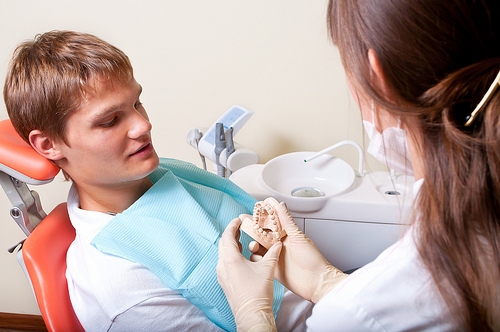
Please discuss any of your dental concerns during your visit with Drs. Cartsos and Zavras. If there is a problem with tooth development, the earlier we address it, the better the outcome. We specialize in pediatric dentistry and look forward to helping you and your child with all your dental needs. To learn more about tooth eruption, or to schedule an appointment with Drs. Cartsos and Zavras, please give us a call at our convenient Chestnut Hill, Massachusetts office!

What happens if I have an orthodontic emergency while I'm on vacation?

June 17th, 2015

At Convivial Dental, there are a few things we want to remind you of when you're on vacation, so that a day with friends and family won’t be spent dealing with an orthodontic emergency. Firstly, we are here for you whether you are in town or out of town on vacation. Give us a call and we may be able to address the problem over the phone. Second, if we are unable to help you fix the problem over the phone, we will help you find an orthodontic practice in your vacation area that can help you.

If you experience problems reaching our office, we suggest going online and searching for orthodontic practices in your area. Most orthodontists will lend a helping hand to another orthodontic patient and get them out of pain or discomfort.

If you have braces, whether they are metal, ceramic, or lingual, Drs. Cartsos and Zavras and our team suggest steering clear of the following foods to avoid broken brackets and/or wire distortion while you are on vacation:

  • Chewy, sticky, or gummy food
  • Apples, pears and other whole fruits (cut fruit into thin wedges before consuming)
  • Bagels and hard rolls
  • Bubble gum
  • Corn on the cob
  • Hard candies
  • Hard cookies
  • Pretzels
  • All varieties of nuts, including peanuts, almonds, and cashews

Finally, if you have clear aligners and you lose your tray, don’t worry! Simply put in either the previous tray or the next tray and contact us as soon as you get home!

Follow these tips and you can have a worry-free vacation!

Snacks for Healthy Teeth

June 10th, 2015

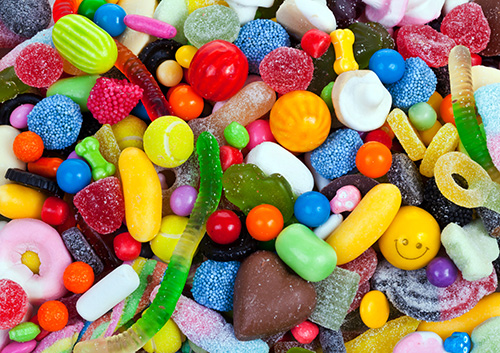
Concerned parents often ask Drs. Cartsos and Zavras about which kinds of snacks are best for a child's teeth. While most know that candy isn't always the best choice, many parents are confused about which kinds of after-school snacks can actually be beneficial for teeth. Left to their own devices, children might pick the sugary snack that comes in colorful packaging. There are, however, choices that are much better for your child's teeth.

Go Natural

The foods that are best for your children's teeth are also the best for their overall health. Choosing whole foods, such as fruits and vegetables, is always the best option for snacks. Try sticks of celery and let your kids dip it into all-natural peanut butter, or a juicy and crunchy apple cut into wedges.

Lean Proteins

Lean protein, such as chicken breast, fish, turkey, and lean cuts of pork also make good snacking options. For the best overall health, avoid giving your child a lot of lunch meats, because such products are often higher in sodium. However, these proteins are also low in sugar, which is always a preferable choice when it comes to teeth.

Avoid Packaged Foods

Sugars are unhealthy partly because they stick more readily to the surface of the teeth. Even foods that appear to be healthy, such as many brands of granola bars, can in fact be loaded with hidden sugars. Sugar can also be found in higher concentrations in dried fruit, honey, and syrups. The rule is that if a foodstuff has been altered in any way from its original state then there are perhaps better choices.

Beverages

Drinks are another murky area. Parents often presume that fruit juices are an acceptable beverage when in reality many of them are loaded with excessive sugar as well. The best beverages for your child's teeth are water and low-fat milk. Milk has the added benefit of containing calcium, which is highly beneficial for the bone structure that supports the teeth.

An apple a day might keep the doctor away, but it is also a great snack to keep teeth healthy. The next time your children are looking for an after-school snack, guide them toward healthier, low-sugar options that are beneficial to their overall health and their teeth.

request an appointment complete patient forms meet our doctors
Back to Top
NEW - Virtual Visit ×

NEW - Virtual Visit

We are now offering appointments and consultations for pediatric dental and orthodontics virtually through the online platform Doxy.me. This safe, reliable and HIPPA compliant technology will allow us to see you from the convenience of your home.

Schedule Now

Dismiss