May 11th, 2016
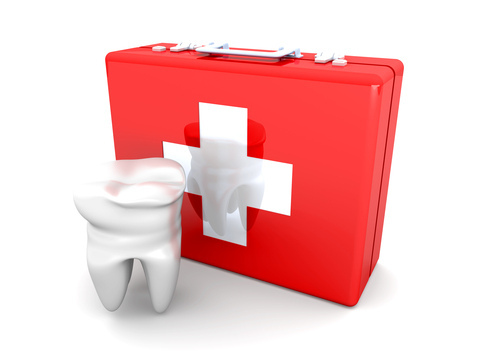
At Convivial Dental, we know orthodontic emergencies are neither convenient nor timely. If you are a patient of record, Drs. Cartsos and Zavras and our team are more than willing to see you after hours or over the weekend. As a general rule, you should call our Chestnut Hill, Massachusetts office when you experience severe pain or when you have a painful appliance problem that you can’t take care of yourself. We’ll be able to schedule an appointment to resolve the problem. If you have an orthodontic emergency after regular office hours, please give us a call and follow the emergency prompts to contact one of our doctors.
May 4th, 2016

The merry month of May also happens to be National Fitness and Sports Month, so take advantage of the warmer days to get outside and exercise! Bringing a friend, family member, or coworker with you when you go for a brisk walk during a lunch break can provide an opportunity to socialize as well as health benefits. If you need a little more motivation, here are some good reasons to stay active and fit.
Exercise provides:
- Improved stamina and energy as well as toned muscles and bone strength and density
- Improved circulation and breathing for a healthier heart and lungs
- Reduced risk for Type 2 diabetes and certain forms of cancer
- For older adults, regular exercise may help improve balance and reduce the risk of falls as well as improved cognitive abilities
Children and Teens
Children and teenagers spend long hours at their desks in school, on the computer, watching television, and involved in other sedentary activities that result in obesity and poor health later in life. Getting them engaged in school or community sports teams can help them form good life-long exercise habits. One important note: If they are participating in contact sports, Drs. Cartsos and Zavras and our team at Convivial Dental recommend your kids wear an approved mouthguard to protect those valuable teeth from injury! Ask us for a proper fitting of your safety appliance during your next visit!
A gym membership is nice but not necessary to stay fit; try these easy ways to work some exercise into your daily routine.
At Home
- Take a friend along for company on a walk through your neighborhood.
- Pursue gardening or other yard work, including mowing or raking.
- Take your kids on a bike ride or have them push a baby stroller around the block.
Couch potatoes take note: simply moving from the sofa to the floor for some sit-ups, leg-lifts, or push-ups while you’re watching television can help you get in better shape in no time.
At Work
- Take the stairs instead of the elevator.
- Take exercise breaks for walks around the building or parking lot.
- Walk or ride a bike to work.
So what are you waiting for? Get moving!
For more information on exercise techniques, or to schedule an appointment with Drs. Cartsos and Zavras, please give us a call at our convenient Chestnut Hill, Massachusetts office!
April 27th, 2016

Bad breath, or halitosis, is probably not a matter of life or death. But it can make you feel self-conscious and have a negative impact on your life. The majority of people suffering from bad breath are dealing with oral bacterial. However, there are other causes of this embarrassing problem. Learning more can help you fight this solvable problem.
Five Causes of Embarrassingly Bad Breath
- Dry Mouth. A decrease in saliva flow can be caused by several things. Most often, medication or mouth breathing are the culprits. As saliva helps wash away food particles from your mouth, it prevents bad breath. Dry mouth can be dealt with by stimulating salivation.
- Gum Disease and Poor Oral Hygiene. Not brushing and flossing well enough or with enough frequency can lead to gum disease, which leads to bad breath. Halitosis can be a sign that plaque is present on your teeth.
- Food-Related Bad Breath. Food particles that aren't brushed or flossed away attract bacteria that leads to bad breath. It's especially important to brush after eating strong-smelling foods, such as garlic or onions.
- Smoking and Tobacco. Tobacco is bad for your health, and that includes your oral health. Smoking or chewing tobacco can contribute toward the development of gum disease, as well as oral cancer.
- Mouth Infections and Other Medical Problems. A mouth infection, sinus infection or even the common cold can cause you to temporarily have bad breath. Even conditions such as diabetes and reflux can cause halitosis. It's always wise to see Drs. Cartsos and Zavras to help determine the cause.
We are Your Ally
Even if you maintain good oral hygiene, it's important to see Drs. Cartsos and Zavras at our Chestnut Hill, Massachusetts office to deal with or avoid problems with bad breath. We can help you uncover the cause of halitosis, while also providing solutions that allow you to enjoy fresh breath without relying on mints and breath fresheners. As is the case with all things related to oral health, we are your number-one ally when it comes to eliminating the problem of bad breath.
April 20th, 2016

During the early days of the environmental awareness movement, those who demonstrated against pollution, toxic chemicals, and the general public health were known as hippies. The early 1970s were a time of change, and assertions that we needed to pay more attention to the Earth's atmosphere were generally dismissed. But within a couple decades, it had become clear that the previous generation was right; the citizens of the world needed to become more environmentally conscious.
Many people feel that they can't make a difference if they don't do something big. But caring for the environment doesn't have to be an all-or-nothing concept. In fact, the little things you do can add up to make a great impact, especially in our community. Here are a few ways you can help the environment on Earth Day, April 22nd and all year around.
Four Small Ways to be Environmentally Friendly
- Recycle Your Textiles. Nearly 21 million tons of textiles are added to American landfills each year, according to the Environmental Protection Agency. Donating your unwanted clothing to a secondhand store or an organization that repurposes fabric helps cut down on solid waste and conserves natural resources.
- Reduce Usage of Disposables. Plastic bottles and bags, disposable diapers and other things we can use and toss out are convenient, but they're not necessary. Simply choosing to replace one of type of disposable with a reusable product can help you cut down on waste that has a large negative impact on our environment.
- Conserve Water. If everyone in the United States turned off the water while brushing their teeth, more than 1.5 million gallons of water could be conserved. Turn the water on long enough to wet your toothbrush for brushing and rinsing, and then immediately turn the water off again.
- Turn Off the Lights. Flip the light switch to "Off" if you're going to leave a particular room for 15 minutes or more. This will conserve energy on incandescent light bulbs and cut down on cooling costs.
It's not necessary to be an activist or install solar panels all over your home to help the environment. Although you can do these things, the little everyday measures make a big difference in helping to conserve energy and the environment, while reducing your carbon footprint. Our team at Convivial Dental wants to remind you to celebrate Earth Day and help the environment, knowing that it will benefit your and your children's generation.