Our Blog

Caring for Your Smile While Wearing Invisalign®

November 28th, 2018

Getting your braces off is exciting. You’ve been working on your new smile for months or years, and it’s time for the trips to our Chestnut Hill, Massachusetts office to pay off. Can you imagine how bad it would be to discover that your teeth are straight, but that there’s decay?

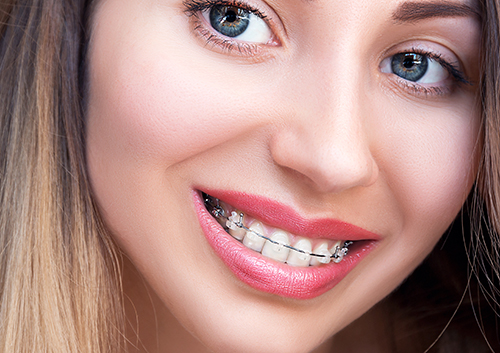
Caring for your smile while wearing Invisalign goes beyond just waiting for your teeth to get straighter. It involves cleaning your teeth regularly and thoroughly to prevent tooth decay. That way, your smile will be more beautiful than ever when you’re done with your Invisalign treatment.

Take Your Trays Out

The first difference you may notice between Invisalign and traditional metal braces is that Invisalign aligners are invisible, but there’s another important distinction as well. Invisalign braces are removable. You can take the trays out, and you should. Remove the trays while you’re eating so you don’t get food stuck in them. Also, remove them while you’re cleaning your teeth so that you can have full access to all the nooks and crannies in your mouth.

Brush Normally

The guidelines for brushing your teeth with Invisalign don’t change compared to braces. Brush your teeth at least twice a day using a soft toothbrush and a fluoride toothpaste, being sure to get all surfaces of your teeth. If possible, brush after each meal.

If you can’t, be sure to drink some water and swish it around in your mouth when you’re done eating to get rid of the extra food on your teeth. Leaving carbohydrates, such as sugar and starch, on your teeth opens the door to tooth decay.

Floss and Wash

Flossing your teeth gets out the bits and pieces stuck between them. It’s a time-consuming task when you need to navigate the wires of traditional metal braces, but thanks to Invisalign’s removable design, flossing is no problem. Rinsing your mouth with a fluoride antibacterial mouthwash also helps clean your teeth because it gets into all of the spaces. Floss and rinse one or two times daily.

Cleaning Your Trays

Cleaning your Invisalign trays keeps them from getting riddled with bacteria, and it helps keep your teeth free from excess food. You can use the Invisalign cleaning system, which involves placing the trays in a tub with cleaning crystals. The plastic trays are clean after 15 minutes. You can also ask Drs. Cartsos and Zavras for other ways to clean your trays.

How Long Do I Need To Wear Retainers?

November 21st, 2018

Once you get your braces off, you want to make sure your smile remains straight! This is where retainers come in.

Once your braces come off, you’ll be fitted for a retainer provided by Drs. Cartsos and Zavras to keep those teeth in place. A retainer is a custom-fit device that sits in the mouth and reinforces the new position of your teeth. Wearing it may be annoying at first, but it’s an essential part of the process of keeping your teeth in place over the long term.

For the first few months after your braces are gone, Drs. Cartsos and Zavras will tell you to wear your custom retainers all the time, except when you’re eating, drinking, or brushing. You have the option of having a clear plastic retainer made if you’re concerned about your appearance.

Eventually, we will recommend that you only have to wear the retainer during each night for a full year. After that, you may take a couple nights off from wearing them each week. In order to preserve the position of your teeth for as long as possible, we don’t recommend that you ever fully stop wearing your retainers.

If you’re concerned about forgetting to wear your retainer, and worried that your teeth may shift, a lingual retainer could be a good option for you. This gets placed on the back of your teeth and is not readily visible.

These retainers are permanent, but they could cause issues for you down the road if you don’t maintain good oral hygiene. Plaque and tartar can build up around these lingual bars, which is why we don’t usually recommend this as a primary choice.

Wearing your retainer is extremely vital after your braces come off. Without your retainer to keep them in place, the teeth you’ve taken so long to fix may begin to shift again. Getting braces is quite an investment, which is why you should keep wearing your retainer long after the braces have come off.

If you have questions or concerns regarding your retainers, contact our Chestnut Hill, Massachusetts office and we can address any problems you may have.

Can baby teeth get cavities?

November 14th, 2018

Our team at Convivial Dental knows that every parent loves to hear his or her child say, "no cavities!" when leaving our office. Let's talk about why primary (baby) teeth get cavities, what you can do to help prevent them, and what Drs. Cartsos and Zavras can do if your child gets a cavity. It's a team effort!

Prevention is Key

A well-balanced diet high in protein, vitamins, and minerals (especially calcium and phosphorous) is an important part of cavity prevention. The American Academy of Pediatric Dentistry (AAPD) states that children should eat healthy snacks like cheese, vegetables, and yogurt, and drink milk. Limit hard candy and carbonated beverages, which have acid and can cause tooth decay. Also, do not put children to bed with a bottle of milk, formula, or juice because sugary fluids pool around the teeth and gums, which promotes decay.

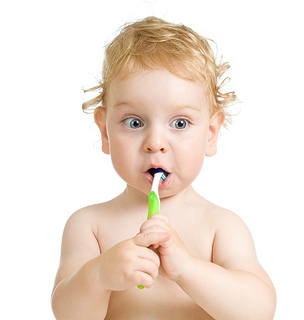
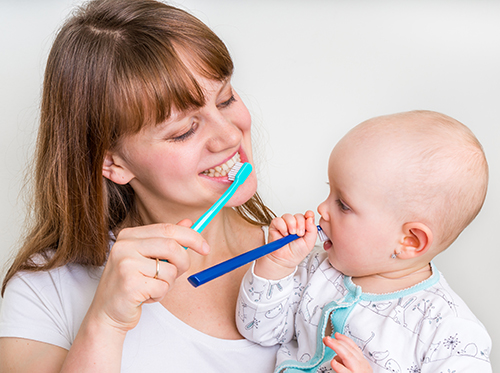
In addition to limiting sweets and scheduling regular visits at our Chestnut Hill, Massachusetts office, make sure your child flosses once a day and brushes his or her teeth twice a day with a pea-sized amount of fluoride toothpaste. A good rule of thumb is if children can tie their shoelace, then they should be able to brush their teeth without help. The American Dental Association (ADA) recommends the following basic brushing techniques:

  • Place the toothbrush at a 45-degree angle to the gums.
  • Move the brush back and forth gently in short strokes
  • Brush the outer surfaces, inside surfaces and chewing surfaces of all teeth.
  • To clean the inside surface of the front teeth, tilt the brush vertically and make several up-and-down strokes.
  • Brush your tongue to remove bacteria and keep your breath fresh.

These tips will greatly increase cavity prevention; however, if your child gets a cavity, it will not heal on its own and must be fixed. Drs. Cartsos and Zavras will remove the decayed part of the tooth and fill the hole where the decay was. You may wonder why it's important to fill baby teeth if they're going to fall out eventually. Baby teeth hold space for permanent teeth to grow in. If one is lost, teeth may shift and prevent a permanent tooth from growing in. In addition, a decayed tooth can become abscessed and cause pain. No fun!

Let’s work together to help your child develop good oral health habits that last a lifetime. Please contact our office if you have any questions about your child's diet or cavity prevention.

The Perks of Dairy

November 7th, 2018

We all remember hearing this: “Finish your milk, it’s good for your bones!” If you have kids of your own now, you may catch yourself repeating many of the things you were told growing up.

Though parents occasionally exaggerate to get their kids to do certain things (such as eat veggies or behave), they’re spot-on about milk. Consuming enough dairy every day is crucial for growing children, because this can set them up to have strong and healthy teeth for the rest of their lives.

To understand the effects of dairy on your child’s teeth, take a look at tooth structure. Think of it in terms of layers: the innermost layer is the living tissue, the second layer is dentine (a calcified tissue), and the final one is the enamel, aka the white part of the tooth. Keep in mind that 96 percent of your enamel is made up of minerals like calcium.

Now, milk and other dairy products are excellent sources of calcium, so when you consider the need to build strong enamel for the first line of defense, it’s easy to see the connection between dairy and good dental health. When your son or daughter consumes dairy products, the body sends the incoming calcium to growing bones, which includes teeth.

This makes children’s teeth and bones stronger all around. Growing youngsters who do not get enough dairy in their diet are at risk for improper tooth development, as well as other dental problems.

According to the U.S. Department of Agriculture, children under the age of eight should be receiving at least two and a half cups of dairy per day. Children older than eight require three full cups, which is the same amount recommended for male and female adults.

If you’re looking for easy ways to incorporate dairy into your children’s diet, try snacks like cottage cheese, a milk-based smoothie, yogurt, cheese sticks, non-fat milk, and fruit parfaits, to name a few. Once you get a feel for what they like most, furnishing the ideal amount of dairy to their diet should be no problem!

If you’re concerned about your child’s teeth or have questions about a healthy diet, don’t hesitate to contact our Chestnut Hill, Massachusetts office and ask a member of our team.

request an appointment complete patient forms meet our doctors
Back to Top
NEW - Virtual Visit ×

NEW - Virtual Visit

We are now offering appointments and consultations for pediatric dental and orthodontics virtually through the online platform Doxy.me. This safe, reliable and HIPPA compliant technology will allow us to see you from the convenience of your home.

Schedule Now

Dismiss